
What Are Assets, Liabilities, and Equity? Bench Accounting

Accounting equation describes that the total value of assets of a business entity is always equal to its liabilities plus owner’s equity. This equation is the foundation of modern double entry system of accounting being used by small proprietors to large multinational corporations. Other names used for this equation are balance sheet equation and fundamental or basic accounting equation. Understanding assets, liabilities, and equity is crucial because they provide insights into a company’s financial health. Assets show what a company owns, liabilities indicate what it owes, and equity reveals the owner’s stake.

Calculating Total Assets

There is no guarantee your business will be approved for credit or that upon approval your business will qualify for the advertised rates, fees, or terms shown. Lender terms and conditions will apply and all products may not be available in all states. All types of debts are liabilities because the company is obligated to pay them back. Liabilities are an essential part of most companies’ financing for both day-to-day needs and long-term growth. It should be noted that the term net worth is sometimes used in relation to an individual. In general the calculation for an individual refers to the market value of their assets and liabilities and as such represents the net wealth of the individual.

Create a free account to unlock this Template

With liabilities, this is obvious – you owe loans to a bank, or repayment of bonds to holders of debt, etc. These are also listed on the top because, in case of bankruptcy, these are paid back first before any other funds are given out. Assets of business appear on the left side of the accounting equation. These are the resources owned by a business such as cash, inventory, and machinery. A business acquires its assets from the funds provided by owners and creditors.

If a company’s assets were hypothetically liquidated (i.e. the difference between assets and liabilities), the remaining value is the shareholders’ equity account. Assets are split into current assets (like cash and inventory) and non-current assets (long-term investments and equipment). This helps understand a company’s quick cash and financial strength. The main parts are assets (things a company owns), liabilities (debts), and shareholders’ equity (the owners’ share). Investors use the balance sheet equation to check a company’s financial setup and value. By looking at the fiscal report, they can see how well a firm can make money and handle debt.

  • Balance sheets are one of the primary statements used to determine the net worth of a company and get a quick overview of it’s financial health.
  • The accounting equation states that a company’s assets must be equal to the sum of its liabilities and equity on the balance sheet, at all times.
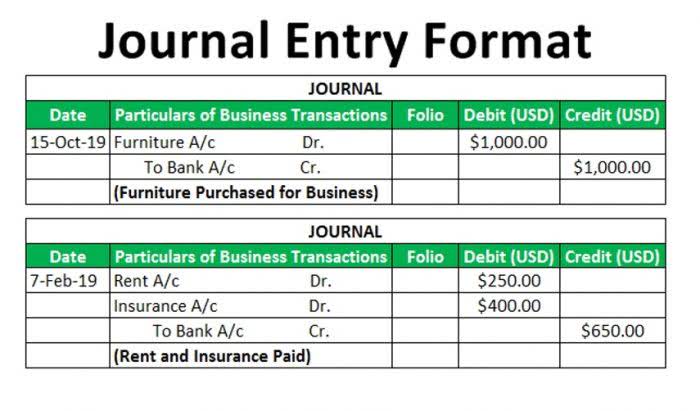
  • Each entry made on the debit side has a corresponding entry or coverage on the credit side.
  • The asset equals the sum to all assets, i.e., cash, accounts receivable, prepaid expense, and inventory, i.e., $305,483 for the year 2018.
  • If the left side of the accounting equation (total assets) increases or decreases, the right side (liabilities and equity) also changes in the same direction to balance the equation.

To balance your books, the accounting equation says assets should always equal liabilities plus equity. But if you need a business loan or line of credit, understanding the relationship between assets, liability and equity is key. Taking out a loan means adding to your liability, and you need to be sure that it will still balance out in your company’s overall budget. The accounting equation asserts that the value of all assets in a business is always equal to the sum of its liabilities and the owner’s equity. For example, if the total liabilities of a business are $50K and the owner’s equity is $30K, then the total assets must equal $80K ($50K + $30K).

Download CFI’s Free Balance Sheet Template

liabilities plus equity equals assets

Cash and cash equivalents are one of the most important aspects of a company’s financial health. These liquid assets can be easily converted into cash, and they include items such as bank deposits, marketable securities, and money market funds. Tracking cash and cash equivalents is essential to ensure a company’s ability to cover its short-term obligations. The balance sheet equation is the foundation of the dual entry system of accounting. It shows that for every debit, It shows that there is an equal and opposite credit for every debit, and the sum of all the assets is always equal to the total of all its liabilities and equity. For all recorded transactions, if the total debits and credits for a transaction are equal, then the result is that the company’s assets are equal to the sum of its liabilities and equity.

  • Our team is ready to learn about your business and guide you to the right solution.
  • Assets are split into current assets (like cash and inventory) and non-current assets (long-term investments and equipment).
  • He is known for his pragmatic approach to fiscal policy and governance.
  • Additional types of bookkeeping accounts that you will find are the equity accounts.

To summarize the diagram below sets out the fully expanded accounting equation. Furthermore since the cumulative revenue less expenses is equal to the cumulative net income of the business, it is possible to restate the accounting formula as follows. As the debit side of the transaction is already accounted for, we only need to record the credit side. The credit entry will be made to the bank account which has the effect of decreasing the assets. Omissions only cause accounting equation to unbalance if only one side of an accounting entry is excluded from the record. This is because any transaction that increases or decreases the assets of the business (left side) will change the amount of funds available to business (right side) by the same amount.

This version of the equation helps sole proprietors clearly delineate the health and profitability of their business operations from personal finances. It simplifies tracking financial performance and planning for tax liabilities. The offers that appear on this site are from companies that compensate us. But this compensation does not influence the information we publish, or the reviews that you see on this site.

It’s backed by the Financial Accounting Standards Board, making sure U.S. corporate finance reports are consistent. By matching assets with liabilities and equity, companies can see their financial health clearly. Public companies in the U.S. use this formula to show their financial health. It says a company’s assets must add up to its liabilities and equity. This equation is essential for double-entry accounting and helps analyze financial health.

If you take out a new loan, for example, that added liability reduces owners’ equity. If the left side of the accounting equation (total assets) increases or decreases, the right side (liabilities and equity) also changes in the same direction to balance the equation. The shareholders’ equity number is a company’s total assets minus its total liabilities.

Accounting Equation: What It Is and How You Calculate It

These limitations highlight the necessity of using the accounting equation in conjunction with other financial analyses to paint a fuller picture of a company’s economic landscape. Some also confuse the equation’s simplicity with a lack of importance, overlooking its crucial role in preventing errors and providing a clear financial snapshot. Consistent application of the accounting equation enhances financial literacy and transparency across business operations. Many people mistakenly believe that the accounting equation is only relevant for large corporations with complex financials. In reality, it’s a fundamental principle applicable to all business sizes and types, ensuring basic financial stability and accuracy.

It’s a core concept in modern accounting that provides the basis for keeping a company’s books balanced across a given accounting cycle. The accounting equation is a fundamental concept that states that a company’s total assets are equal to the sum of its liabilities and its shareholders’ equity. This straightforward relationship between assets, turbotax® premier cd liabilities, and equity is the foundation of the double-entry accounting system.

The accounting equation states that a company’s assets must be equal to the sum of its liabilities and equity on the balance sheet, at all times. The accounting equation states that your business’s assets should always balance with its liabilities and equity. This equation forms the double entry accounting system, meaning that every transaction for your business will result in a double entry in your books. The double-entry practice ensures that the accounting equation always remains balanced. The left-side value of the equation will always match the right-side value. The total amount of all assets will always equal the sum of liabilities and shareholders’ equity.

Equity denotes the value or ownership interest on residual assets that an organization’s owner or shareholders would receive if all liabilities were paid. It is an important financial statement that is a key component of the balance sheet. Below liabilities on the balance sheet, you’ll find equity, the amount owed to the owners of the company. These are listed on the bottom, because the owners are paid back second, only after all liabilities have been paid. Liabilities and equity make up the right side of the balance sheet and cover the financial side of the company.

This information is invaluable for making informed financial decisions, attracting investors or lenders, and tracking the progress and growth of your business. Liabilities are financial obligations or debts that a company owes to other entities. Fixed assets, also known as tangible assets, are physical items of value that a company owns and uses in its business operations. Some common examples of fixed assets include property, buildings, land, machinery, and equipment. The valuation of fixed assets involves determining their cost and factoring in depreciation. In order for the accounting equation to stay in balance, every increase in assets has to be matched by an increase in liabilities or equity (or both).

Property Management Bookkeeping: Your Ultimate Guide for Success

property management bookkeeper

Their responsibilities include maintaining accurate records, budgeting, ensuring compliance, and providing valuable financial insights to management. By possessing the necessary skills and qualifications, property management bookkeepers contribute to the success and growth of the company. Their work is essential for financial visibility, compliance, and cost efficiency, making them a valuable asset to any property management business. Property management bookkeeping is crucial because it helps property managers track income, expenses, and financial trends. With proper bookkeeping, you can handle everything from rent payments to maintenance costs, ensuring the property remains profitable. Additionally, it provides transparency to property owners and helps comply with legal and tax obligations.

The Responsibilities of a Property Management Bookkeeper

Show recruiters examples where you saved the day, such as spotting discrepancies in financial reports or solving tenant deposit disputes. You’ve got a long list of things you’re well-versed in, be it accounting principles or property management regulations. To top it all off, you’re juggling all kinds of software, such as Yardi or Rent Manager. Our property management bookkeeper resume templates and tips for writing cover letters have been proven to work.

Outsource Real Estate Services with ShoreAgents – Download the Guide and Ignite Your Success Today!

property management bookkeeper

Accurate budgeting for capital improvements, such as HVAC systems or roofing, helps property managers plan for the future. Bookkeepers track these expenditures to ensure compliance with financial agreements or reserve requirements. A thorough approach ensures accuracy, saves time when filing taxes, and helps monitor the performance of your rental property. Set up columns for categories such as rent received, repairs, utilities, property management, and insurance. Downloadable templates, like the one from Zillow Rental Manager, can help get you started. Our Corporate Bookkeeping Sevice provides Management Companies with accurate financial records alongside property data in Appfolio.

  • Regular reconciliation is highlighted as a best practice in rental property accounting by industry experts.
  • Maintaining a separate account for each property helps keep financial records clear and organized.
  • Accurate bookkeeping helps in day-to-day operations and provides valuable insights for long-term profitability and compliance with legal requirements.
  • They truly understand property management and the need to have everything taken care of expeditiously, not to mention how pleasant he and his staff are to work with .
  • By maintaining accurate records and preparing financial reports, they help management make informed decisions and plan for the future.
  • Randy personally is amazing in his ability to quickly respond and address any problem or question that comes up.
  • Proficiency in financial software tools is crucial for property management bookkeepers to efficiently record and track financial transactions.

Subscribe to our newsletter (2x/week) to learn more about real estateinvesting and property management.

Tracking expenses, including security deposits and property management accounting costs, lead to better expense management throughout the year. Regularly reviewing categorized expenses makes it easier to identify deductible items and streamline your tax preparation process. Proficiency in financial software tools is crucial for property management bookkeepers to efficiently record and track financial transactions. Ongoing management includes recording monthly mortgage payments and tracking both the interest and principal portions. Additionally, tracking closing costs and loan origination fees ensures that all loan-related expenses are accounted for in the property’s financials. When managing AI in Accounting rental properties, it’s important to organize your expenses using clear categories.

property management bookkeeper

Ensuring compliance with financial regulations and guidelines is essential for avoiding fines property management bookkeeper and penalties. Property management bookkeepers play a key role in mitigating financial risks and maintaining the company’s reputation. As a property management bookkeeper, you’ve mastered staying on top of all the accounting, finance, and legal obligations of properties. You effortlessly navigate the dynamic currents of income and expenses, making sure your properties are in tip-top financial health. Keeping detailed financial records, separating accounts, and promptly tracking all transactions are foundational practices for landlord success.

property management bookkeeper

The fact many of the employees are former workers of the property management software company we use as our platform has been the difference maker. The staff is extremely knowledge with not only AppFolio but best accounting practices as well. Property bookkeepers are vital to the real estate industry, offering crucial financial support and guidance to property owners and managers. They perform diverse functions such as ledger account financial record keeping, budgeting, and reporting, ensuring efficient management of property finances. You should maintain thorough records for your rental property to support your tax deductions and document each financial transaction.

Automate Financial Processes

The cost of property management bookkeeping can depend on the scope of services required. At LedgersOnline, we offer a variety of packages to choose from, and we’re happy to work with you to create a package that meets your specific needs. When you work with us, you can rest assured that your finances are in good hands. If you fail to keep receipts or detailed notes on costs like repairs, insurance, or advertising, you risk losing potential tax deductions.

How should I use Excel for rental property bookkeeping tasks?

We handle all the unique requirements and day-to-day demands to keep your property management business thriving. We handle all the unique requirements and day- to- day demands to keep your property management business thriving. Bookkeepers play a crucial role in ensuring these reports are complete and accurate. Depreciation is a tax-deductible expense that property managers can use to reduce taxable income. Bookkeepers must accurately calculate depreciation on buildings, appliances, equipment, and improvements over their useful lives.

What Is Loans Receivable?

what is a loan receivable

Loans receivable form the cornerstone of lending activities, playing a vital role in the functioning of financial institutions and the broader economy. As assets on a lender’s balance sheet, loans receivable represent the amounts owed by borrowers and serve as a source of interest income, revenue generation, and economic growth. Accounts receivable financing is an agreement that involves capital principal in relation to a company’s accounts receivables. Accounts receivable are assets equal to the outstanding balances of invoices billed to customers but not yet paid. Accounts receivables are reported on a company’s balance sheet as an asset, usually a current asset with invoice payment required within one year.

Is a Loan an Asset?

Businesses without a steady stream of invoices and reliable customers may have a hard time qualifying for this type of financing. There isn’t a lengthy loan application and underwriting process, so you can get the financing you need fairly quickly. These materials were downloaded from PwC’s Viewpoint (viewpoint.pwc.com) under license. A loan is an asset but consider that for reporting purposes, that loan is also going to be listed separately as a liability. If you do an entry that only shows $15,000 coming in but doesn’t account for the fact that it must be paid back out eventually, your books will look a lot better than they are. Working capital loans can cover daily business expenses, like payroll, rent or purchasing inventory.

The accounts receivables still aren’t debt, but the loan or line of credit they take out is a debt. Accounts receivable financing is a type of loan where a company’s unpaid invoices — accounts receivable — act as collateral. With an accounts receivable loan, your lender advances a percentage of the invoice value as either a term loan or line of credit. Loans receivable can take various forms, such as commercial loans, consumer loans, mortgage loans, and other types of financing provided by financial institutions.

  1. A double entry system requires a much more detailed bookkeeping process, where every entry has an additional corresponding entry to a different account.
  2. An asset account in a bank’s general ledger that indicates the amounts owed by borrowers to the bank as of a given date.
  3. 1st Commercial Credit specializes in accounts receivable financing for manufacturers, service providers, distributors, transportation companies and exporters.

They sound similar, but they refer to two different financing arrangements. Factoring companies take several elements into consideration when determining whether to onboard a company onto its factoring platform. Furthermore, the terms of each deal and how much is offered in relation to accounts receivable balances will vary. The company borrowed $15,000 and now owes $15,000 (plus a possible bank fee, and interest). Let’s say that $15,000 was used to buy a machine to make the pedals for the bikes. That machine is part of your company’s resources, an asset that the value of such should be noted.

You’ve done your due diligence, the bike industry is booming in your area, and you feel the debt incurred will be a small risk. You expect moderate revenues in your first year but your business plan shows steady growth. Let’s give an example of how accounting for a loans receivable transaction would be recorded. Unsecured business loans do not require the borrower to put up any collateral. Shop and learn more about collateral-free financing at LendingTree.

Many companies may see accounts receivable as a burden since the assets are expected to be paid but require collections and can’t be converted to cash immediately. As such, the business of accounts receivable financing is rapidly evolving because of these liquidity and business issues. Moreover, external financiers have stepped in to meet this need. Furthermore, loans receivable contribute to the overall liquidity and solvency of lending institutions, providing a foundation for sustainable growth and stability.

Pros and cons of accounts receivable financing

Depending on the terms, a financier may pay up to 90% of the value of outstanding invoices. This type of financing may also be done by linking accounts receivable records with an accounts receivable financier. Most factoring company platforms are compatible with popular small business bookkeeping systems such as Quickbooks. Linking through technology helps to create convenience for a business, allowing calculating adjusted tax basis in a partnership or llc them to potentially sell individual invoices as they are booked, receiving immediate capital from a factoring platform. As such, both internally and externally, accounts receivable are considered highly liquid assets which translate to theoretical value for lenders and financiers.

Please Sign in to set this content as a favorite.

Recording loans receivable involves a structured process that reflects the financial impact of lending activities on a company’s balance sheet and income statement. The accurate and transparent recording of loans receivable is crucial for financial reporting and analysis, providing stakeholders with insights into the company’s assets, liabilities, and overall financial health. Although accounts receivable financing offers a number of diverse advantages, it also can carry a negative connotation. In particular, accounts receivable financing can cost more than financing through traditional lenders, especially for companies perceived to have poor credit. Businesses may lose money from the spread paid for accounts receivables in an asset sale.

Otherwise, it is classified as a non-current asset, and so will appear lower down in the balance sheet presentation. Only the interest portion on a loan payment is considered to be an expense. The principal paid is a reduction of a company’s “loans payable”, and will be reported by management as cash outflow on the Statement of Cash Flow.

t Commercial Credit

Each type of loan receivable serves distinct purposes and comes with its own set of risks and rewards. Lenders carefully assess the creditworthiness of the borrowers and the underlying collateral, if any, to determine the terms and conditions for extending these loans. Understanding the definition of loans receivable is crucial for both lenders and borrowers, as it forms the foundation for the entire lending process and influences the financial health of the parties involved. The presentation of loans receivable in an organization’s balance sheet will depend on whether loans are to be repaid within one year. When that is the case, then the receivable is classified as a current asset.

what is a loan receivable

Navigating Crypto Frontiers: Understanding Market Capitalization as the North Star

Accounts receivable (AR) financing is a type of financing arrangement in which a company receives financing capital related to a portion of its accounts receivable. Accounts receivable financing agreements can be structured in multiple ways usually with the basis as either an asset sale or a loan. By proactively identifying, assessing, and mitigating these risks, lenders can safeguard their financial stability and uphold their role as responsible stewards of capital and credit.

For the past 52 years, Harold Averkamp (CPA, MBA) hasworked as an accounting supervisor, manager, consultant, university instructor, and innovator in teaching accounting online. He is the sole author of all the materials on AccountingCoach.com. For the past 52 years, Harold Averkamp (CPA, MBA) has worked as an accounting supervisor, manager, consultant, university instructor, and innovator in combat zone teaching accounting online. A double entry system provides better accuracy (by detecting errors more quickly) and is more effective in preventing fraud or mismanagement of funds.

Loans may be unsecured or secured with invoices as collateral. Financial institutions account for loan receivables by recording the amounts paid out and owed to them in the asset and debit accounts of their general ledger. This is a double entry system of accounting that makes a creditor’s financial statements more accurate. In conclusion, loans receivable are not only financial assets but also catalysts for economic progress and prosperity. However, the importance of loans receivable is accompanied by inherent risks, including credit risk, interest rate risk, liquidity risk, regulatory and compliance risk, and concentration risk.

If your customers don’t pay their invoices, you may be unable to repay your loan or line of credit, putting you at risk for late payment charges and other financial troubles. Your invoices act as collateral, which means lenders are more concerned about your customers’ creditworthiness and payment history, so you usually don’t need a good credit score to qualify. It can be an attractive option for businesses that can’t get approved for a traditional small business loan. Because the invoices serve as collateral, lenders may be willing to work with you, even if you have a low credit score or no prior borrowing history.

Camala C Bailey, CPA, CVA Financial and Practice Advisor for Veterinarians

veterinary accounting specialists

We provide you a monthly summary of your practice’s performance that helps you visualize your financial statements, making it easier to spot trends, track key performance goals and take control of your practice. Our goal at VetPro Financial Services is to take the burden of managing the books off your plate so you can focus on managing your practice and serving your clients. Utilizing the AAHA Chart of Account and the industry’s best practices, each month you will have operational financials to evaluate your business and make real time decisions. We work with veterinary hospitals across the country to develop actionable solutions that help improve profitability, increase hospital value, and achieve goals. We apply the full range of our expertise to mitigate your hospital’s challenges and maximize its opportunities. We can help you set up an accounting system that meets IRS and state standards while also making it simple to produce accurate financial statements.

veterinary accounting specialists

Tax and Consulting

  • Our knowledge of the tax code and comprehensive tax planning techniques for veterinary practices will minimize liabilities and save you money at tax time.
  • When we become your tax coach, we work with you to create a plan designed to minimize taxes through proactive planning.
  • We are trusted veterinary business advisors for clinics throughout the United States.
  • We’ll provide “Why You Need a Vet CPA Specialist” when you schedule a consultation.
  • Get the information you need, make crucial decisions & move your practice forward.
  • Whatever your tax, accounting, or financial need, our team has got you covered.

Simon has prepared our corporate tax returns and we are very happy with his work. Simon is detail-orientated but also keeps an eye on the big picture. He is always current with new tax laws and very responsive when we contact him with questions. Mobile vets who are always on the go feel confident that their finances are in order when they enlist the help of our trusted CPA firm. Receive financial tips, tax due dates and tax strategies right in your income statement inbox from our CPA. I’d love to get to know more about your business and see how I can support you.

Tax Coaching

We stay on top of industry trends and issues so we know exactly how to manage tax obligations and conquer financial challenges for veterinarians. The CPAs and accountants at Simon CPAs provide veterinary accounting, tax reduction planning, and https://www.bookstime.com/ consulting to practices in Boston. Fauna Accounting specializes in veterinary bookkeeping, veterinary practice consulting, and tax preparation for vets. Simon CPAs is a Boston, MA CPA firm specializing in veterinary practice accounting, consulting, and tax services. Our clients include pet hospitals, veterinary clinics, veterinary specialists, mixed animal practices, and mobile vets. Do you need help with your tax planning to make sure you aren’t stuck with an unexpected, large bill?

veterinary accounting specialists

A Guide to Best Practices

Fort Collins/Loveland Accounting firm specializing in the veterinary industry. We provide monthly financial statements and support to veterinary hospitals across the country. Our services are available online, giving you the flexibility you need from your financial professional. We make it easy to track your finances and provide high-level insights that you need to run a rapidly evolving animal services business.

veterinary accounting specialists

Practice Valuations

Do you ever get the feeling that your bookkeeper or tax professional just doesn’t “get” your industry? We provide industry specific services to deliver the best results to clients. That means no one-size-fits all approach and the data you need to grow. We use key financial data to help veterinarians, equine businesses, and others in the animal care industry scale quickly.

  • We provide industry specific services to deliver the best results to clients.
  • Because we know how to streamline your accounting process and get results.
  • We are well informed and continually adapt to the ever-changing world of tax law and accounting.
  • We handle all the accounting and bookkeeping for busy veterinarians like you and provide the accurate reporting you need in order to watch where your money is going.
  • We understand the veterinary industry and our skilled CPAs provide benchmarking, new practice startup, and acquisition due diligence services.

You became a veterinarian to provide pets with a supportive environment and an optimal level of care. You need a partner equally dedicated to ensuring your business is as healthy as it can be. Evelyn Cook, CPA, saw first-hand the commitment that veterinarians have for their animal patients and the passion they have for their jobs when she faced these particular difficulties.

veterinary accounting specialists

Tax and Financial Advisory

We understand the veterinary industry and our skilled CPAs provide benchmarking, new practice startup, and acquisition due diligence services. We update your financials frequently so that we can truly understand your company’s cash flow. Then, help you make the money moves you need to scale quickly while maintaining business sustainability. Whether you’re considering purchasing another vet practice, selling your current firm, or recognizing it’s time to figure out a succession plan because you’re ready to retire, we are here to assist you. Veterinarians who work with both small pets and large animals benefit from the financial expertise and guidance we offer.

Specialized Bookkeeping & Tax Preparation for Veterinarians, Equine, and Animal Care Services

No matter your goal, we can help your hospital get there – whether you want to improve your hospital’s profitability, streamline operations, or make strategic decisions with confidence. We learn about your hospital, your goals, and your roadblocks and create a customized plan to set you on the path to veterinary bookkeeping success. Along the way we serve as both consultant and accountability partner, but our ultimate goal is to empower you to run a successful veterinary hospital. Yet most accountants are generalists – they simply don’t know all the hidden opportunities and pitfalls of running a practice. We know your business inside and out, which means you’ll benefit from our four decades of veterinary management knowledge, experience, and resources.